


 Facebook
 X
X
 Pinterest
 Copy Link
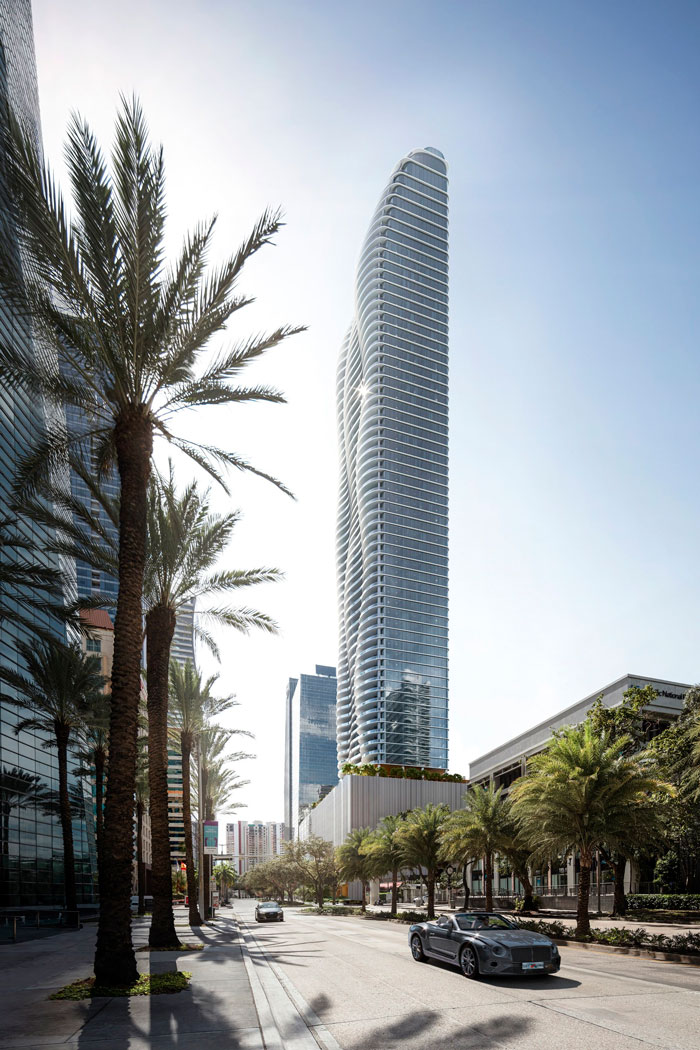
Miami offers an unusually broad range of luxury new developments, and a private residential tower in Brickell, a boutique building in Coconut Grove, a furnished flexible-use project and an oceanfront residence may all appear in the same search results, but they are not interchangeable purchases.
The strongest choice begins with the buyer’s intended use. A primary residence should be evaluated differently from a seasonal home or a property expected to generate rental income. Privacy, density, services, contract structure, deposits, delivery timing and competing inventory can matter as much as the finishes shown in a sales gallery.
This guide considers six Miami developments through those distinctions, with the understanding that pricing, availability, incentives and delivery estimates evolve and should be confirmed as part of a current, property-specific review.
How luxury buyers should compare Miami new developments
Marketing materials establish the design vision, while a thoughtful buyer review goes further by considering the following questions:
- Intended use: primary residence, second home, occasional use or rental-oriented ownership.
- Residential density: number of units, residences per floor, elevator access and shared amenity traffic.
- Residence position: elevation, exposure, view corridor, terrace depth and relationship to future construction.
- Operating structure: residential-only, hospitality-oriented or flexible-stay format.
- Contract and deposits: payment schedule, construction milestones, assignment terms and closing obligations.
- Long-term competition: the volume of comparable inventory that may be available at resale or for rent.
The Residences at 1428 Brickell
The Residences at 1428 Brickell is planned as a 70-story, residents-only tower with 195 homes. The collection includes two- to four-bedroom-plus-den residences of approximately 1,800 to 4,000 square feet, along with a separate penthouse collection. Every residence is positioned toward Biscayne Bay, and the building program includes more than 80,000 square feet of amenities.
Private elevators, substantial concrete separation between residences, gated arrival and a highly serviced parking program distinguish the ownership experience. The project is most relevant to buyers seeking a primary or significant secondary residence where privacy, volume and direct bay orientation carry greater weight than rental flexibility.
Consider: residence elevation, eastern exposure, terrace usability, private arrival and the premium assigned to a residential-only environment.
Arbor Residences in Coconut Grove
Arbor Residences is a five-story, eco-conscious building with 45 two- to four-bedroom-plus-den residences. Its position near CocoWalk, parks, marinas and established schools creates a different proposition from Miami’s larger high-rise developments.
Arbor may appeal to buyers who value lower density, larger plans and the ability to integrate daily life into Coconut Grove. The project’s appeal is less about skyline scale and more about neighborhood connection, walkability and a residential setting.
Primary comparison: plan efficiency, outdoor space, parking, school access and the tradeoff between boutique density and the amenity programs of larger towers.
Explore Coconut Grove luxury homes and new construction.
Cassia Residences in Coral Gables
Cassia Residences is a collection of 174 one-, two- and three-bedroom residences in the Merrick Park district. Homes are planned for fully furnished, turnkey delivery with interiors and furnishings selected through RH.
The project may suit international, seasonal and relocating buyers who prefer a residence requiring limited setup after closing. Turnkey delivery is convenient, but the analysis should include furniture specifications, replacement responsibilities, association expenses and how furnished inventory competes at resale.
Primary comparison: turnkey value, unit position, operating costs and whether a central condominium or a traditional Coral Gables residence better serves the buyer’s objectives.
Review Coral Gables luxury real estate and waterfront homes.
Origin Residences by Artefacto
Origin Residences by Artefacto offers 27 waterfront residences in Bay Harbor Islands, with two- to four-bedroom plans, a nine-slip marina and a pick-up and drop-off dock. The smaller collection and boating component distinguish it from nearby oceanfront and larger branded buildings.
Origin may be relevant to buyers who prefer boutique scale, waterfront access and proximity to Bal Harbour. A boating-oriented buyer should still verify slip availability, vessel limitations, water depth, navigation and the rights attached to marina use.
Primary comparison: bayfront versus direct oceanfront living, marina access, residence scale and the premium attached to a limited collection.
The Rider Residences
The Rider Residences is a 12-story project with 152 furnished residences ranging from studios to three-bedroom and lockout plans. Its location between Wynwood, Midtown and the Design District, together with its flexible-use positioning, places it in a different category from a conventional primary-residence condominium.
Buyers considering The Rider should analyze the full operating model, rental administration, owner-use rules, expected expenses and the amount of competing furnished inventory. That flexibility can be valuable when it is considered alongside disciplined underwriting and a clear understanding of the operating structure.
Primary comparison: use restrictions, management costs, rental competition, liquidity and the practical value of lockout configurations.
Domus Brickell Center
Domus Brickell Center is planned as a 35-story collection of 579 fully furnished studio, one- and two-bedroom FLATS designed for temporary stays with hotel-style services. Its hospitality-oriented format serves a different ownership objective from a residential-only Brickell tower.
The larger unit count and operating format require careful review of projected fees, administration, occupancy assumptions and the future supply of comparable short-stay inventory. A complete review considers the net ownership economics alongside the initial purchase price.
Primary comparison: fee structure, operating consistency, temporary-stay demand and the effect of 579 units on rental and resale competition.
Compare Brickell luxury condos and new developments.
Which Miami development is the strongest fit?
Rather than one development being the right choice for every luxury buyer, the strongest fit depends on the role the property will serve.
- Privacy and a substantial primary residence: begin with residential-only buildings and evaluate residence position carefully.
- Neighborhood living and lower density: prioritize boutique buildings in established residential areas.
- Turnkey seasonal use: compare furnished delivery, ongoing responsibilities and ease of ownership.
- Boating access: verify marina rights and navigational practicality alongside the waterfront view.
- Flexible rental use: analyze the operating structure, costs and competing inventory before relying on projected income.
A disciplined project shortlist
A useful shortlist generally contains three or four projects aligned with the same buyer objective, allowing the meaningful differences in price position, plan quality, services, deposits and long-term marketability to emerge without introducing unrelated ownership models.
Esther Santamaria provides private buyer representation across Miami’s luxury new-development market through Cervera Real Estate. Current availability, pricing, floor plans, deposit schedules and approved project materials can be assembled around a buyer’s intended use, timing and capital requirements.
Project information is based on materials considered reliable and is subject to change. Buyers should review current offering documents and obtain independent legal, tax, engineering and financial advice where appropriate.



